Body Panels Restored to Original Contours
Auto Body Repair in Tuscaloosa for Dented Fenders, Damaged Doors, and Scratched Quarter Panels
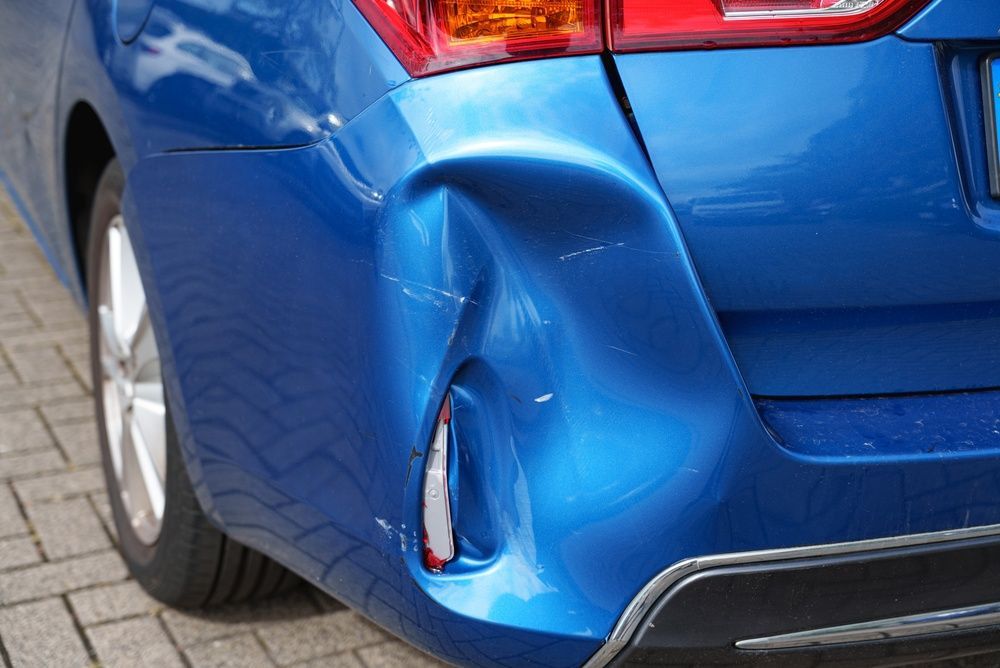
Dented fenders, scraped doors, and damaged quarter panels accumulate from parking lot incidents, road debris, and minor collisions that leave visible damage without affecting structural components. Auto body repair in Tuscaloosa addresses these issues by reshaping metal panels, replacing sections too damaged to restore, and refinishing surfaces to match the surrounding paint. Kirkman's Auto Body & Collision handles body panel work that ranges from small ding removal to complete quarter panel replacement when rust, multiple impacts, or accident severity make sectional repair impractical.
The process involves assessing whether damaged metal can be pulled, filled, and refinished or whether cutting out the affected section and welding in replacement metal produces better long-term results. Fender repair often succeeds with traditional body work techniques when the metal hasn't torn or creased severely, while door damage near hinges or latch mechanisms may require door skin replacement to maintain proper alignment and operation.
Arrange an inspection to determine which repair method suits your vehicle's specific panel damage.
How Panel Restoration Addresses Surface Damage
Dent removal relies on accessing the back side of the panel whenever possible, using specialized tools to massage the metal back toward its original shape without stretching or thinning the material. When access limits this approach, technicians carefully apply filler compounds that bond to properly prepared metal, then shape and sand the surface to recreate factory contours. Quarter panel replacement becomes necessary when damage extends across large sections or when rust has compromised the metal's integrity beneath the visible surface layer.
You'll see body lines that align correctly with adjacent panels once the work finishes, with no waviness visible when light reflects across the surface. Doors close with consistent pressure and sound across the entire opening, indicating that the frame and latch positions haven't shifted during the repair. Paint matches in both color and texture, blending into surrounding areas without visible transition lines or differences in gloss level that mark rushed or improperly executed refinishing work.
Scratch repair depth determines the approach—clear coat scratches respond to buffing and polishing, paint layer scratches require spot refinishing with careful color matching, and scratches penetrating to bare metal need rust prevention treatment before any cosmetic work begins. Auto body repair often includes related work like replacing damaged trim pieces, realigning panel gaps, and addressing paint chips around the primary damage area to prevent rust from starting in compromised sections.
Common Questions About This Service
Drivers often want to understand how body panel repair methods vary based on damage location and severity before authorizing the work.
What makes some dents repairable while others require panel replacement?
Dents with sharp creases, stretched metal, or damage along panel edges typically can't be reshaped to factory contours without visible imperfections remaining. Smooth, shallow dents in flat sections away from body lines usually respond well to traditional dent removal techniques.
How does rust affect body panel repair decisions in Tuscaloosa?
Alabama's humidity accelerates rust formation once paint protection is breached, so damaged panels get inspected for hidden corrosion behind the visible dent or scratch. If rust has started beneath the surface, cutting out affected metal and welding in clean sections prevents the corrosion from spreading under new paint.
Why do door repairs sometimes involve replacing the entire outer skin?
Door skins are the outer metal layer crimped onto the door frame, and replacing just this section costs less than installing a complete door assembly while maintaining the original hinges, latch, and window mechanisms. This approach works when the door frame itself remains straight and undamaged.
What happens to factory corrosion protection during panel replacement?
Welded seams get treated with weld-through primer before joining, then coated with seam sealer to prevent moisture intrusion. Exposed metal receives epoxy primer before any filler or topcoat application, recreating the rust protection that factory panels receive during manufacturing.
How long does fender repair take compared to fender replacement?
Repairing a damaged fender typically requires two to four days for reshaping, filling, block sanding, priming, and painting with proper cure times between steps. Replacement involves removing the old fender, fitting and aligning the new part, then painting—usually completing in similar timeframe but producing more consistent long-term results when original damage was severe.
Kirkman's Auto Body & Collision evaluates each damaged panel individually to recommend the repair approach that balances cost against durability and appearance quality. Contact the shop to review your vehicle's body damage and discuss whether repair or replacement makes more sense for your specific situation.