Panels Returned to Pre-Storm Condition
Hail Damage Repair in Tuscaloosa for vehicles with dented hoods, roofs, and horizontal surfaces after severe weather
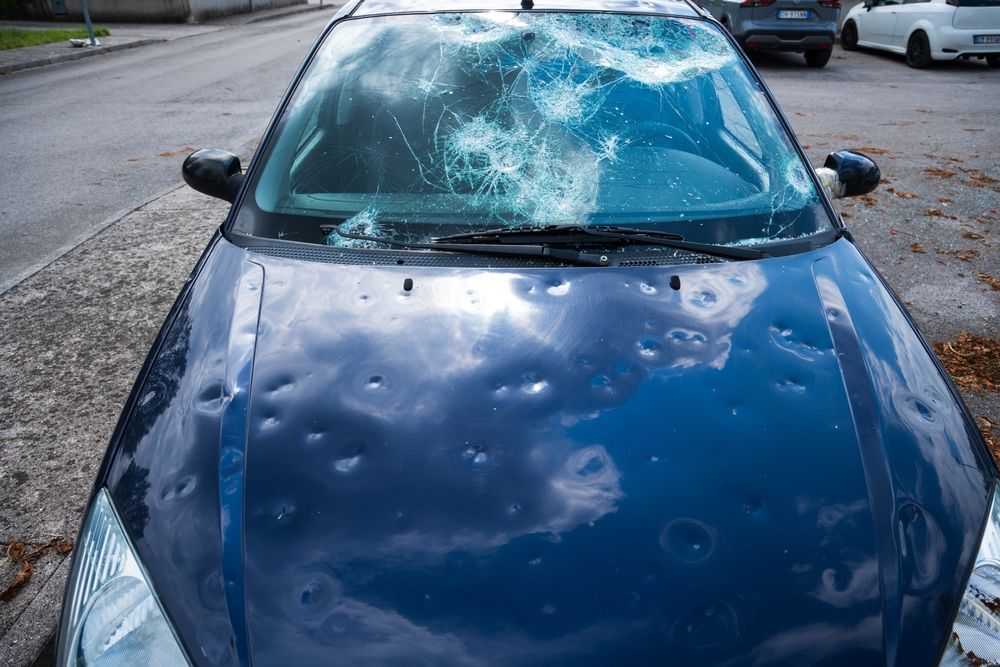
Hail creates hundreds of small dents across horizontal panels where ice impacts the metal, and the damage concentrates on hoods, roofs, and trunk lids that face upward during storms. Dent repair uses specialized tools that access the back side of panels and carefully push each dent outward until the metal returns to its original contour without stretching or warping the surrounding area, a process that preserves factory paint when the clear coat hasn't cracked from impact. Panel repair and replacement addresses sections where hail has struck with enough force to crack paint or crease metal beyond what careful metalwork can correct, and roof and hood restoration returns the largest affected surfaces to smooth, wave-free condition. Kirkman's Auto Body & Collision handles insurance claim support that documents hail damage in the format insurers require and coordinates paint refinishing when necessary to complete repairs after metalwork finishes.
Insurance claim support includes photographing every dent from angles that capture the damage severity adjusters need to approve full repair costs, and submitting estimates that account for the time required to access panel backsides and work each dent individually. Paint refinishing applies color and clear coat to repaired sections where the original finish cracked during impact or where panel replacement introduced new metal that needs finishing to match surrounding areas.
Schedule a hail damage inspection to document all affected panels and begin the insurance approval process.
How Dent Repair Preserves Factory Paint
Paintless dent repair accesses the backside of panels through openings behind trim pieces and inner door structures, then uses metal rods to apply pressure that gradually pushes each dent outward while a technician monitors the front surface under specialized lighting that reveals when the metal reaches proper contour. This works when the clear coat hasn't fractured, allowing the repair to restore panel shape without introducing additional paint work that changes the original finish.
After dent repair completes, you won't feel depressions when you run your hand across the hood or roof, and reflections from adjacent vehicles and buildings show as continuous lines rather than the distorted patterns that appear in wavy panels. Panel replacement provides smooth metal where hail density exceeded what individual dent repair can address economically, particularly on roofs where severe storms leave impacts too numerous for cost-effective individual correction.
Paint refinishing when necessary ensures that repaired areas match the surrounding finish in color and texture, and clear coat protects the metalwork from moisture and UV exposure that would otherwise cause the repaired sections to corrode or fade differently than adjacent original panels.
Answers About Weather Damage Repair
Hail damage affects vehicle value and appearance while creating insurance questions about repair methods and coverage. These answers explain the repair process and what documentation insurers require.
What determines whether dents can be repaired without repainting?
If hail impacts dent the metal without cracking the clear coat, specialized tools can push the dents out from behind while preserving the original paint, but when impacts crack or chip the finish, repainting becomes necessary after metalwork completes.
Why does severe hail damage sometimes require panel replacement?
When hail density creates overlapping dents too numerous for economical individual repair, or when impacts crease metal sharply enough that pushing the dent out would stretch and thin the panel, replacement provides better results than attempting extensive metalwork on compromised sections.
How does insurance claim documentation capture hail damage severity?
Documentation includes photographs showing dent density and depth from angles that reveal the damage extent, written descriptions that count affected panels and estimate repair time, and measurements showing dent diameter, all formatted in the standardized documentation major insurers operating in Tuscaloosa require for claim approval.
What happens during roof and hood restoration?
Restoration removes interior trim panels and headliner material to access the back of roof metal, then works each dent individually using graduated pressure that returns the panel to factory contour without stretching the metal or creating new low spots between repaired areas.
When is paint refinishing necessary after hail repair?
Refinishing becomes necessary when hail cracks the clear coat or base paint, when panel replacement introduces new metal that needs finishing, or when insurance settlement includes repainting to restore uniform appearance across all repaired surfaces rather than leaving some panels with original aged finish and others with fresh repair work.
Hail damage repair returns your vehicle to pre-storm condition while coordinating with insurers to authorize all necessary work. Kirkman's Auto Body & Collision documents storm damage and manages the claim process from initial inspection through final refinishing and approval.