Vintage Metal Brought Back to Original Condition
Classic Car Restoration in Tuscaloosa for collector vehicles requiring rust repair, metal fabrication, and complete refinishing
Rust repair on vintage vehicles involves cutting away deteriorated metal rather than applying filler over corrosion, because rust continues spreading beneath body filler and eventually causes the repair to fail. Metal fabrication replaces the removed sections with new steel shaped to match the original panel contours, then welded into place using techniques that avoid warping the thin gauge metal classic cars used. Kirkman's Auto Body & Collision handles full body restoration that addresses rust in rocker panels, floor pans, and lower fenders where moisture accumulates, plus custom paint mixed to match original factory colors or period-correct custom finishes from the era when your vehicle was manufactured.
Complete refinishing strips the body to bare metal, revealing hidden rust and previous repair work, then builds the paint system from primer through color coats and clear protection. The process restores structural integrity where rust has weakened panels and returns bodywork to the smooth, wave-free surface collectors expect on properly restored vehicles.
Arrange a restoration consultation to evaluate rust damage and discuss the scope of metalwork your classic vehicle requires.
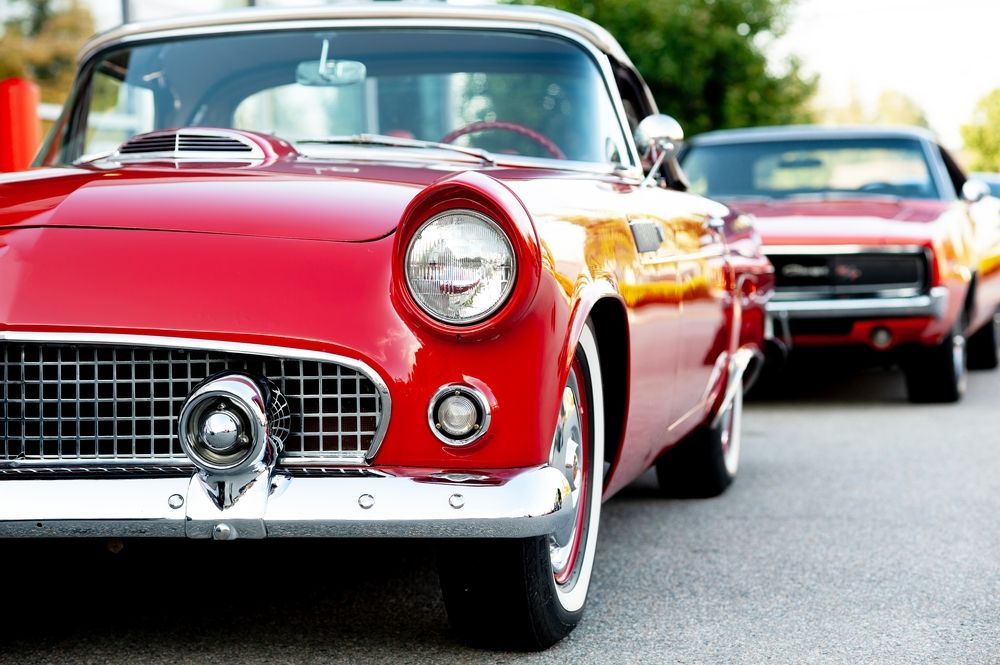
What Complete Body Restoration Addresses
Full body restoration removes trim, glass, and interior components to access every panel, then strips paint to bare metal where rust repair and metal fabrication will occur. This reveals the extent of previous collision damage, poorly executed past repairs, and corrosion hidden beneath layers of old paint and filler, allowing proper correction rather than building new paint over compromised metal that will fail within years.
You'll notice panels sit flush with consistent gaps between doors, fenders, and quarter panels rather than showing the misalignment common in aged vehicles where rust and past repairs have distorted the body, and the paint shows consistent gloss and color depth without the orange peel texture or thin coverage that reveals the quality shortcuts often taken during quick repaints. Metal fabrication creates replacement sections that match the original gauge and contour, maintaining the structural integrity and appearance collectors demand.
Custom paint formulation matches period-correct colors by referencing factory specifications and vintage paint chips, or creates custom finishes using techniques and materials consistent with the era when the vehicle was new. Complete refinishing builds the paint system in proper sequence, ensuring adhesion and durability rather than applying color directly over questionable surface preparation.
Restoration Project Questions
Classic car restoration involves metalwork and refinishing decisions that affect authenticity and long-term durability. The following clarifies what full body restoration includes and how rust repair maintains structural integrity.
Why must rust be cut out rather than filled over?
Rust spreads beneath body filler through microscopic pitting in the metal, and the corrosion continues until the filler loses adhesion and cracks, so permanent repair requires removing all deteriorated metal and welding in clean replacement sections.
What does metal fabrication involve?
Fabrication shapes new steel to match the original panel contours using hammers, dollies, and English wheels, creating replacement sections for areas where rust has destroyed the original metal, then welds the new pieces into place while controlling heat to prevent warping.
How does complete refinishing differ from a standard paint job?
Complete refinishing strips the body to bare metal, applies epoxy primer that seals the steel, builds primer-surfacer layers that create a level base, then applies color coats and clear protection in proper sequence rather than spraying new paint over old finish and hidden problems.
What is custom paint formulation for vintage vehicles?
Custom formulation mixes paint to match original factory colors by referencing vintage color chips and manufacturer specifications, or creates period-correct custom colors using pigments and application techniques consistent with the era, accounting for how older paint systems aged differently than modern finishes.
How long does full body restoration typically take?
Restoration timelines depend on rust extent and whether panels require fabrication or can be repaired, but stripping to bare metal, correcting all rust and previous damage, and building proper paint systems requires substantially more time than cosmetic repainting over existing finish.
Classic car restoration returns vintage vehicles to the structural and cosmetic condition collectors expect while addressing rust and past repairs that compromise authenticity. Kirkman's Auto Body & Collision provides detailed project planning that outlines metalwork requirements and refinishing stages for your specific restoration.