Vehicles Restored After Impact Damage
Collision Repair in Tuscaloosa for Structural Damage and Body Panel Failures After Accidents
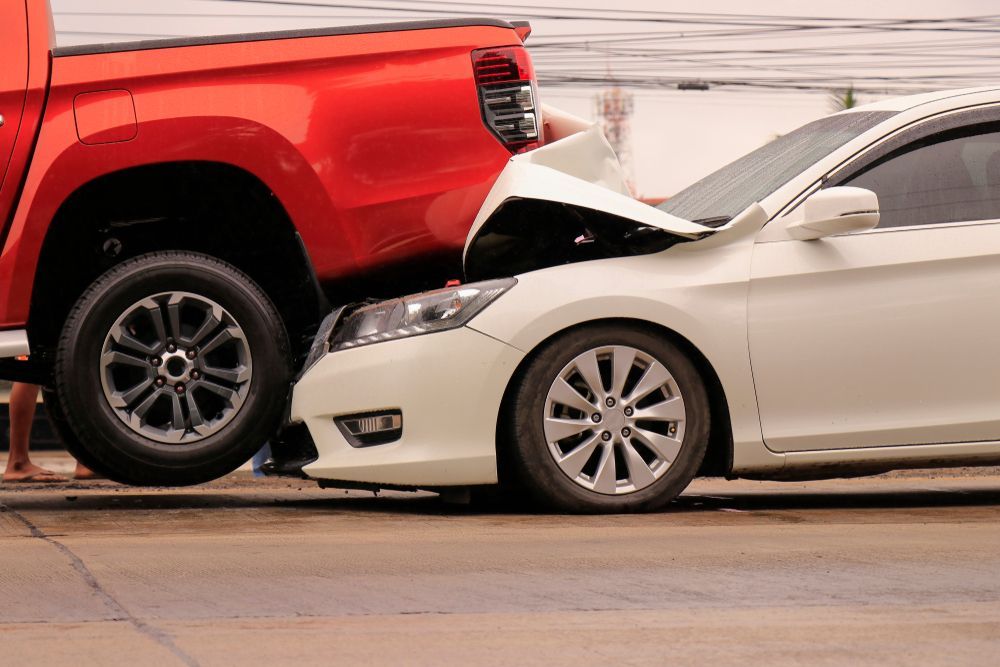
Kirkman's Auto Body & Collision handles collision repair in Tuscaloosa when accidents leave vehicles with crumpled panels, misaligned frames, or compromised structural integrity. Whether the damage spans multiple body sections or appears limited to a single impact zone, the repair process restores both the visible exterior and the underlying framework that maintains vehicle safety. Insurance claim coordination begins at the first assessment, helping property owners navigate documentation requirements and coverage questions without adding administrative burden to an already stressful situation.
Collision repair addresses everything from minor side-swipes that dent doors and fenders to front-end impacts that require frame straightening and airbag system evaluation. Structural damage restoration involves measuring the frame against factory specifications, pulling bent sections back into alignment, and replacing components that can't be safely repaired. Panel replacement follows manufacturer guidelines for welding, bonding, and fastening methods to maintain crash performance standards.
Schedule a damage assessment to determine which components require replacement versus repair.
What Structural Restoration Actually Accomplishes
Frame straightening uses hydraulic equipment and laser measurement systems to return bent structural members to their original dimensions. Computerized measuring confirms that suspension mounting points, door openings, and powertrain alignment all match factory specifications within millimeters. This precision matters because even small frame distortions cause uneven tire wear, steering pull, and compromised crash protection in future incidents.
After repairs finish, you'll notice doors that close with the same effort and sound as they did before the accident, panel gaps that match from side to side, and paint that reflects light uniformly across repaired and original sections. The vehicle sits level without leaning, and the steering wheel centers properly when driving straight. Factory-quality repairs mean the work becomes invisible once completed—no evidence remains of buckled metal, misaligned seams, or color mismatches that mark lower-standard repairs.
Major collision work often involves replacing entire assemblies rather than attempting repairs on safety-critical components like crumple zones, airbag housings, and seatbelt anchor points. Insurance adjusters review the repair plan to verify that replacement parts meet coverage terms and that the scope addresses all related damage, including issues not immediately visible during the initial inspection. Kirkman's Auto Body & Collision works directly with adjusters to document hidden damage discovered during disassembly, preventing disputes over supplemental repair costs.
What Vehicle Owners Usually Ask
Property owners in Tuscaloosa often have questions about how collision repair progresses from the initial damage assessment through final delivery.
What determines whether a damaged panel gets repaired or replaced?
Panels with creases, tears, or damage near structural mounting points typically require replacement because repair work can't restore original strength and crash performance. Shallow dents in flat sections away from edges and folds can often be straightened and refinished without compromising integrity.
How does frame measurement confirm that structural repairs meet factory specifications?
Laser measuring systems reference dozens of points across the frame and compare them to the manufacturer's blueprint data. If any measurement falls outside tolerance, additional straightening continues until all dimensions match within two millimeters of original specifications.
What happens when disassembly reveals damage not visible during the initial estimate?
Supplemental damage gets documented with photographs and measurements, then submitted to the insurance company for approval before proceeding. This process adds time to the repair schedule but prevents out-of-pocket costs for hidden issues discovered mid-repair.
Why do some repairs require OEM parts while others allow aftermarket components?
Insurance policies and state regulations dictate parts choices in many cases, but safety-critical structural components and those affecting crash performance often require original equipment parts to maintain manufacturer certifications and warranty coverage.
How long does collision repair typically take from drop-off to completion?
Timeline depends on parts availability, the extent of structural work, and insurance approval processes rather than labor hours alone. Vehicles with frame damage and multiple panel replacements generally require two to three weeks, while minor collision work with readily available parts may finish in under a week.
Kirkman's Auto Body & Collision provides detailed repair timelines once parts availability and insurance approvals are confirmed, ensuring you understand each phase before work begins. Request a complete damage evaluation to review the repair plan and insurance coordination process specific to your vehicle's condition.