Windshields Installed to Prevent Leaks
Auto Glass Replacement in Tuscaloosa for Cracked Windshields, Shattered Door Glass, and Failed Rear Windows
A rock chip that spreads into a crack across the driver's sight line, shattered door glass from break-in attempts, or rear window damage from cargo loading accidents all require professional glass replacement to restore visibility and weather sealing. Auto glass replacement in Tuscaloosa involves removing damaged glass without scratching surrounding paint, preparing the frame opening to accept new adhesive, and installing replacement glass with proper curing time to develop full structural strength. Kirkman's Auto Body & Collision handles windshield replacement as part of collision repair work when accidents damage both glass and body components, ensuring that frame distortion gets corrected before new glass installs to prevent stress cracking and seal failures.
Windshield replacement differs from side and rear glass installation because the windshield provides structural support to the roof in rollover crashes and serves as a backstop for passenger airbag deployment. Urethane adhesive bonds the windshield to the frame, requiring specific curing conditions and minimum wait times before the vehicle can be driven safely. Side window replacement and rear glass installation often use different attachment methods depending on the vehicle—some windows clip into rubber seals while others bond with adhesive similar to windshields.
Arrange a glass damage assessment to identify whether rock chip repair remains possible or whether crack progression requires full replacement.
What Changes After Proper Installation Completes
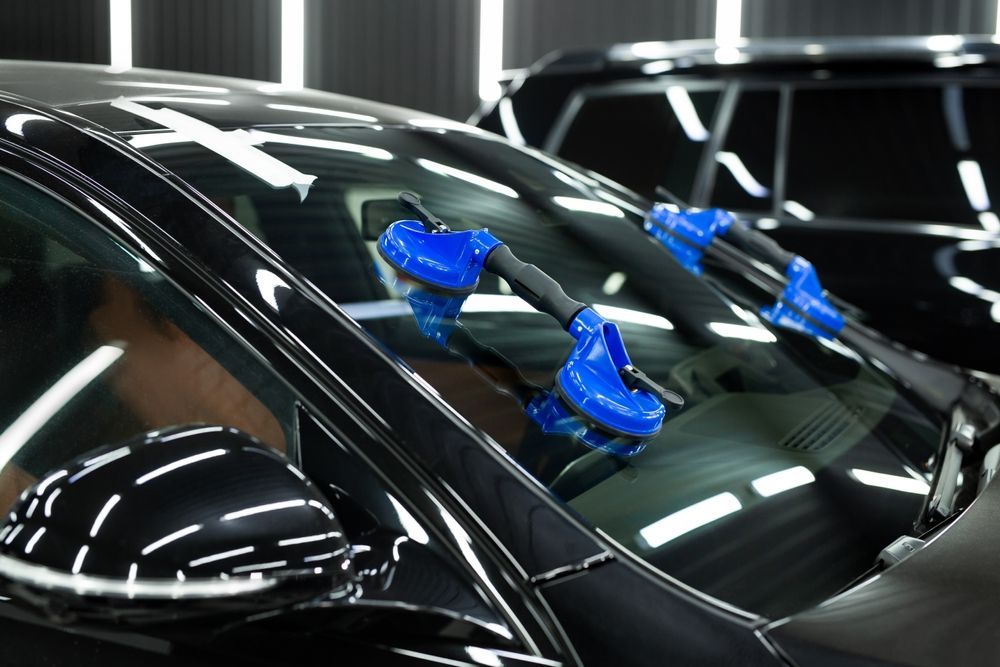
Installation begins with cutting out the damaged glass carefully to avoid damaging the pinch weld or painted surfaces around the opening, then cleaning all old adhesive from the frame until only a thin, smooth base layer remains. New urethane adhesive applies in a continuous bead around the frame, and the replacement windshield sets into position using suction cups for control and precision. The adhesive must cure undisturbed for several hours, with drive-away time varying based on temperature and humidity conditions that affect cure speed.
You'll hear no wind noise at highway speeds once the windshield seals properly, and water won't penetrate into the cabin during Tuscaloosa's heavy rain events that test inadequate seals. The glass sits flush with surrounding body panels without gaps or height differences that indicate improper setting, and no adhesive squeezes out visibly around the edges. Optical clarity remains consistent across the entire windshield without distortion waves that cause eye strain or make distance judgment difficult while driving.
Rock chip assessment determines whether small impact points can be resin-filled to prevent crack spreading or whether existing damage has already compromised the glass beyond repair. Chips smaller than a quarter and cracks shorter than six inches sometimes qualify for repair rather than replacement, but location matters—damage directly in the driver's sight line or at windshield edges typically requires replacement regardless of size because repairs leave optical distortions or the glass lacks sufficient remaining strength. Leak prevention depends on proper frame preparation, correct adhesive type and application technique, and allowing full cure time before subjecting seals to stress from driving, car washes, or temperature changes.
Common Questions About This Service
Vehicle owners facing glass damage often need clarification about what types of damage qualify for repair versus replacement and how installation quality affects long-term performance.
What determines whether a rock chip can be repaired or requires windshield replacement?
Chips smaller than a quarter located away from windshield edges and outside the driver's direct sight line can often be filled with clear resin that prevents crack spreading. Larger chips, star-break patterns, or damage that has already spawned cracks typically need replacement because the structural integrity is compromised.
How does windshield installation affect airbag performance during crashes?
The windshield provides a backstop that allows passenger-side airbags to inflate properly and cushion occupants during frontal impacts. Weak adhesive bonds or improper installation can allow the windshield to pop out under airbag pressure, eliminating this protection and allowing occupants to eject through the opening.
Why does windshield adhesive require specific cure times before driving in Tuscaloosa?
Temperature and humidity both affect urethane cure speed—Alabama heat accelerates curing while high humidity can slow it. Driving before the adhesive reaches minimum strength risks breaking the bond, particularly during hard braking or rough road impacts that stress the fresh seal.
What causes whistling or wind noise after windshield replacement?
Gaps in the adhesive bead, contamination preventing proper adhesion, or incorrect glass positioning all create paths for air to flow between the windshield and frame. Proper installation leaves no gaps and creates uniform seal compression around the entire perimeter.
How do side window and rear glass replacement differ from windshield installation?
Many side windows slide into channels and use rubber seals or clips rather than adhesive, making installation faster with no cure time required. Rear windows may bond with adhesive like windshields or use gasket seals depending on vehicle design, with bonded installations requiring similar cure time before the vehicle can be driven.
Kirkman's Auto Body & Collision coordinates glass replacement with other collision repair work to ensure that frame straightening completes before new glass installs, preventing stress cracks from developing when glass mounts to distorted openings. Set up an appointment to review glass damage and discuss installation procedures specific to your vehicle's make and requirements.