Finishes That Match Original Factory Color
Auto Painting & Color Matching in Tuscaloosa for Faded Paint, Accident Refinishing, and Custom Color Changes
Factory color matching ensures that newly painted sections blend invisibly with original panels, avoiding the mismatched appearance that marks low-quality refinishing work. Kirkman's Auto Body & Collision provides auto painting and color matching in Tuscaloosa using computerized paint mixing systems that reference manufacturer color codes, then adjust formulas to account for fading that occurs as vehicles age and sun exposure lightens original finishes. Complete vehicle repainting addresses widespread clear coat failure, extensive surface rust, or situations where owners want to change color entirely while maintaining a factory-quality appearance.
The refinishing process starts with surface preparation—removing old paint from damaged areas, treating any rust, applying primer to bare metal, and block sanding everything smooth before color coats go on. Spot painting handles small areas like individual panels or bumper sections, blending new paint into adjacent surfaces by extending the refinished area slightly beyond the damage zone. Clear coat application over base color provides gloss and UV protection, with multiple thin layers building proper depth without runs or sags that require rework.
Request a paint assessment to review color matching requirements for your specific repair or refinishing project.
Why Proper Paint Application Prevents Future Problems
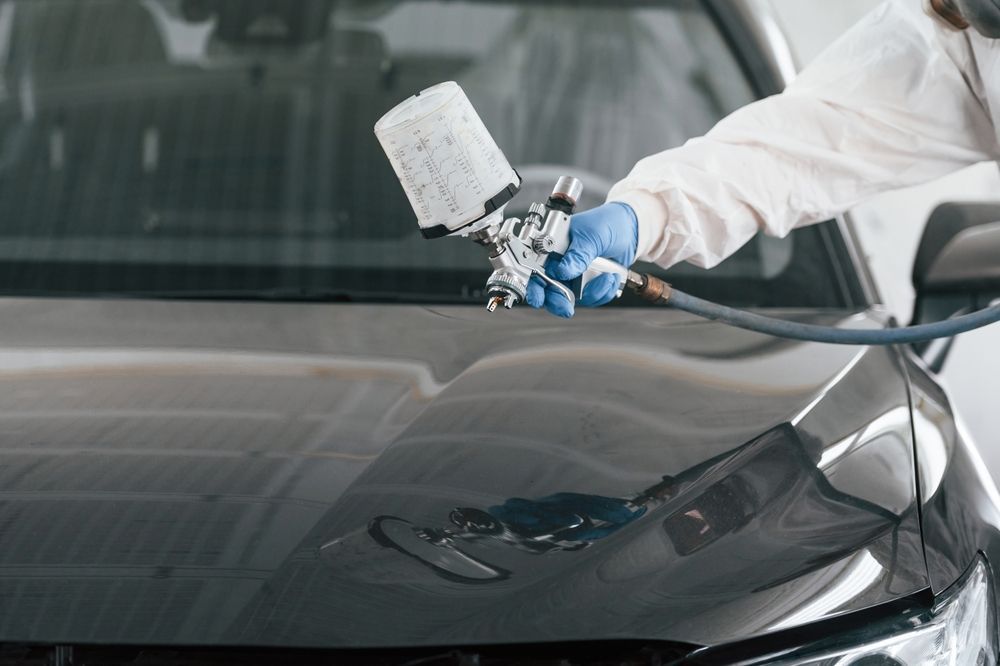
Color matching involves spraying test panels and comparing them against the vehicle under different lighting conditions—direct sunlight, shade, and artificial light all reveal color shifts that aren't apparent under single lighting sources. Metallic and pearl finishes require particular attention because the orientation and density of metallic flakes affect how light reflects, making spray technique as important as paint formula accuracy. Kirkman's Auto Body & Collision adjusts both the paint mixture and application pressure to recreate the texture and appearance of surrounding factory finish.
Once painting completes and cure time passes, you'll notice that repaired sections reflect light identically to original panels, with no color breaks visible where new paint meets old. The surface feels smooth without orange peel texture or roughness from improper spray distance, and the gloss level matches across all painted areas. Custom paint finishes involve multiple color layers, special effect additives, or non-factory colors applied using the same preparation and technique standards that ensure durability and professional appearance regardless of the chosen color.
Complete vehicle repainting requires removing or masking trim, lights, glass, and hardware to avoid overspray on non-painted components. Each panel gets individual attention for proper coverage, with door jambs, hood edges, and trunk openings receiving paint so that no unpainted edges show when panels open. The multi-stage process—cleaning, sanding, priming, sealing, base coat application, and clear coat layering—takes several days even for spot repairs because proper cure time between steps prevents solvent trapping and adhesion failures that cause peeling months after the work appears finished.
Answers to Frequent Service Questions
Vehicle owners considering paint work often want details about how color matching accounts for age and how different paint types affect the refinishing process.
What causes factory paint to change color over time and how does that affect matching?
Ultraviolet exposure gradually breaks down pigments, with red and black colors fading noticeably after five to seven years in Alabama sun. Color matching systems account for this by lightening the mixed formula based on vehicle age and paint condition, then fine-tuning through test spray comparisons.
How does spot painting blend into surrounding panels without visible edges?
Painters extend the refinished area beyond the damage, then reduce paint volume gradually as they spray toward the blend zone. Clear coat extends even farther, creating a gradual transition where new paint fades into old without a detectable line.
Why do metallic colors cost more to match than solid colors?
Metallic finishes contain aluminum flakes that must be oriented consistently through spray gun technique, and the base coat requires a separate clear coat layer for proper appearance. Solid colors use single-stage paint that combines color and gloss in one product, simplifying application and reducing material costs.
What preparation steps prevent paint from peeling after Tuscaloosa humidity affects the surface?
Proper adhesion starts with removing all wax, grease, and silicone contamination, then sanding to create mechanical bite for primer. Epoxy primer seals bare metal against moisture before any topcoat application, preventing rust from forming under the paint and lifting the finish.
How long should fresh paint cure before washing or waxing the vehicle?
Paint reaches handling hardness within 24 hours under controlled temperature, but full cure takes 30 days as solvents continue evaporating from deep within the paint layers. Avoid automatic car washes and harsh chemicals during this period to prevent marring the still-curing surface.
Kirkman's Auto Body & Collision provides detailed care instructions after painting, covering washing methods, when to apply wax, and how to protect the new finish during the cure period. Schedule a color consultation to see test spray samples and discuss refinishing options that match your vehicle's current condition and appearance goals.